Cancer Survivor Care Process
A personalized, step-by-step approach to dental oncology and oral rehabilitation.

understanding your history.
A Different Kind of Care.
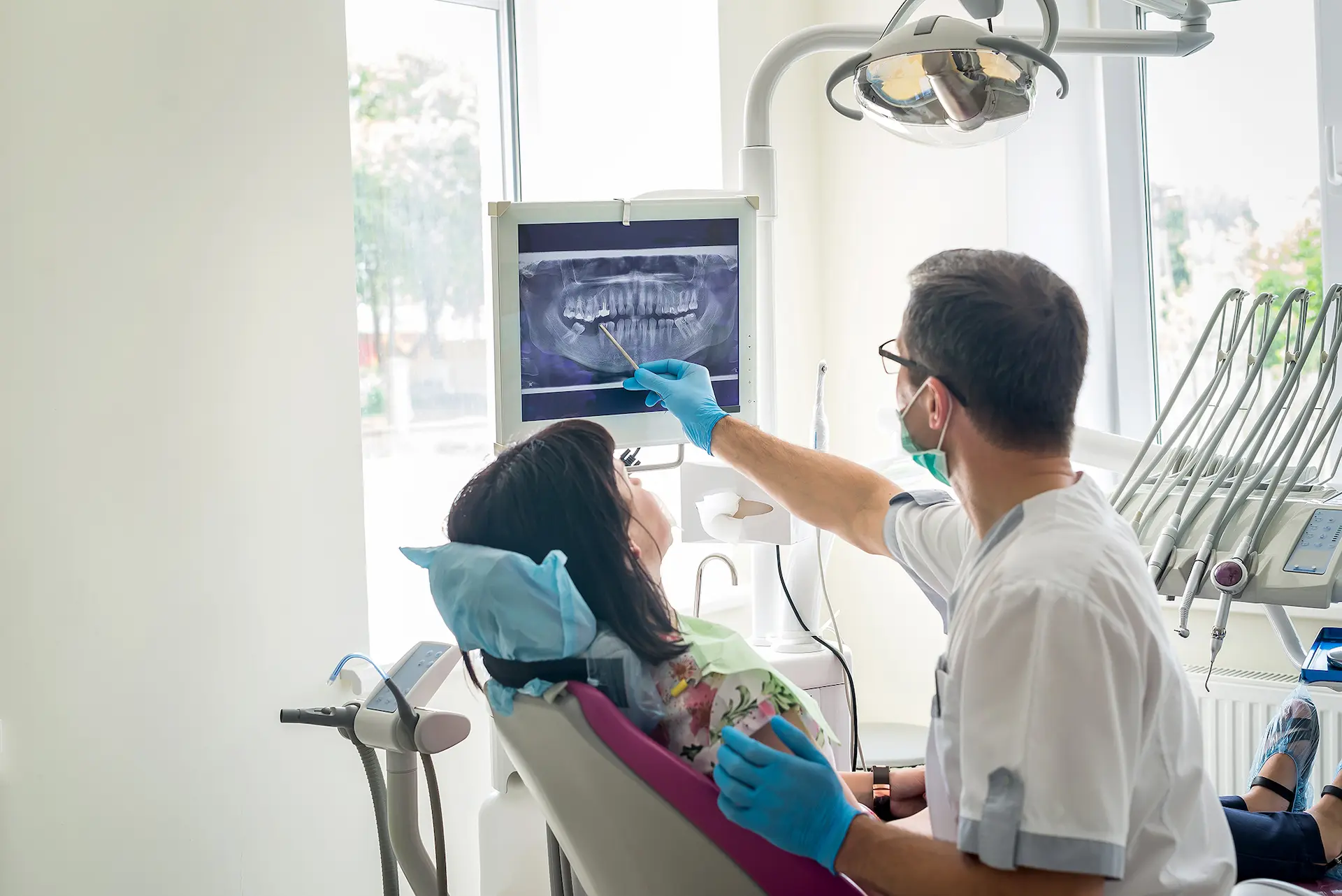
Coming to Survivor Smiles is different from booking a routine cleaning. Most of our patients arrive with complicated histories: cancer treatment, surgeries, medications, and sometimes years of dental work that did not hold up.
We take the time to understand every detail of your journey before we recommend anything. Our goal is to provide a path forward that respects your past and protects your future.

Your Journey to Oral Health
Here is what the care process looks like, step by step.
First Contact
You can reach us by phone at (617) 833-0158 or through our website. A team member will spend a few minutes with you on the phone to learn the basics: your cancer diagnosis, where you are in treatment or recovery, and your dental concerns.
There is no pressure on this call. Many people contact us simply to ask whether we can help with a specific situation.
.webp)

Records Gathering
Before your first appointment, we ask for things that help us prepare, such as your diagnosis summary, radiation records, medication lists,and recent imaging.
Radiation Records
Medication List
Diagnostic Summary
Recent X-Rays/CT
Prior Dental Records
Consultation
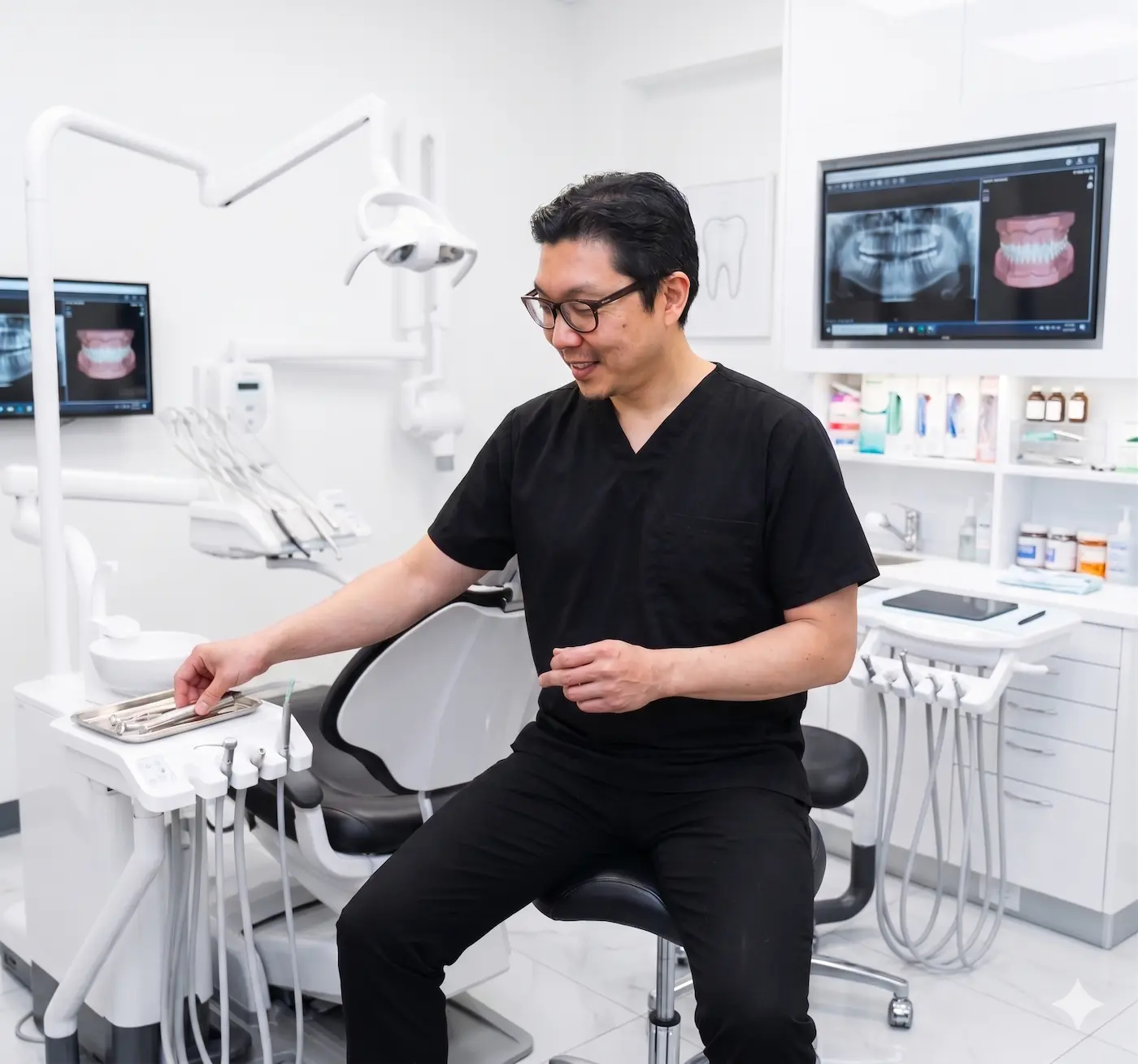
Your first appointment is a consultation, not a treatment session. Plan for 60 to 90 minutes. Dr. Lee will review your history, perform a thorough oral exam, and discuss your options.
If you are coming for a second opinion on treatment another clinician recommended, we will tell you honestly whether we agree, whether we would do something different, and why.
"The goal is for you to leave understanding exactly what is going on in your mouth and what your options are."

Treatment Planning
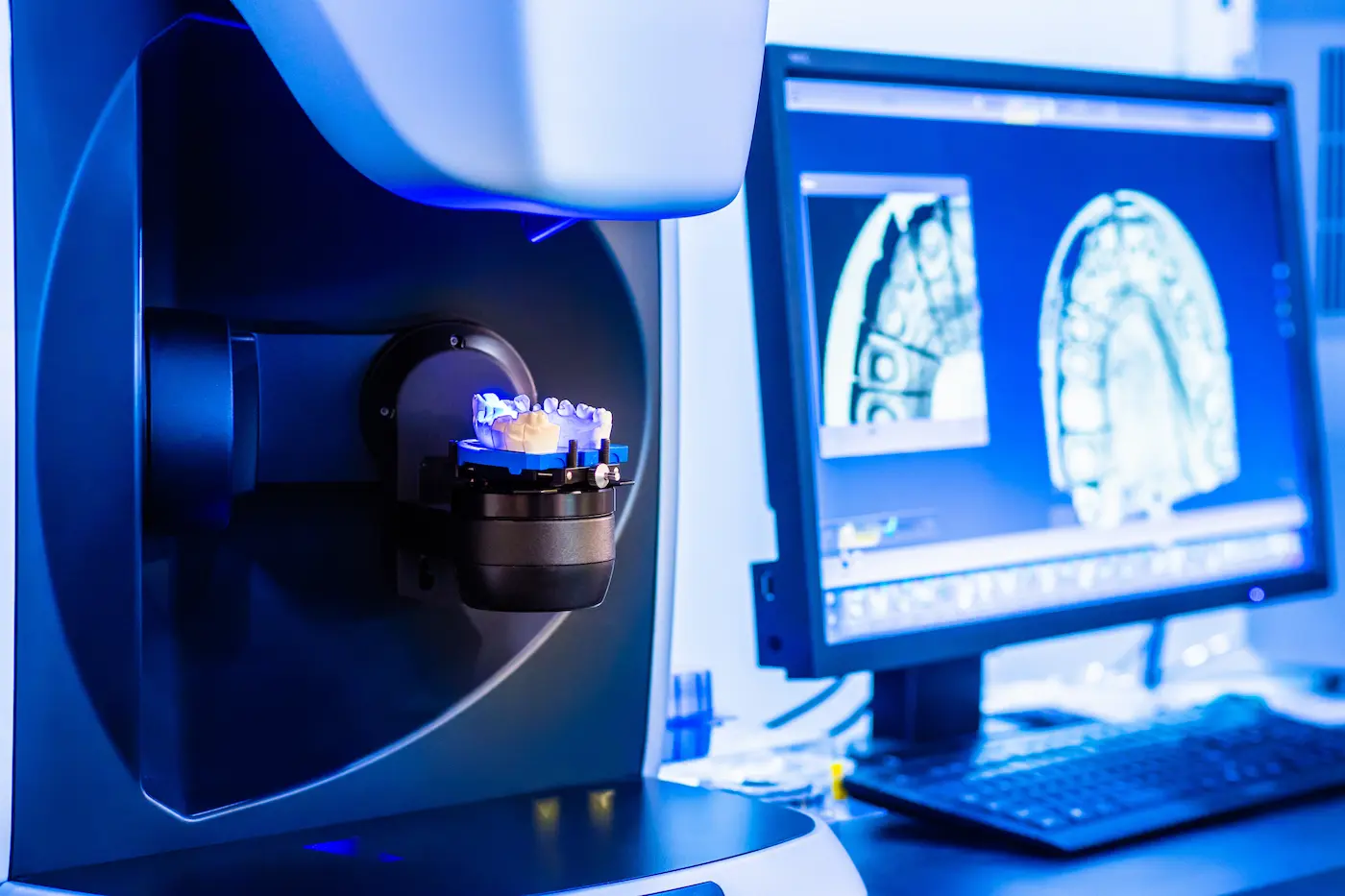
We build a written treatment plan that includes recommendations, sequences, timing paced around your recovery, and cost estimates. We coordinate directly with your oncology team.
One Unified Plan
We share preliminary plans with your oncology team before finalizing. The goal is one plan that everyone agrees on, not parallel plans that conflict.
Treatment
We do not rush. Cancer survivors often need extra healing time or staged surgeries to protect against complications like osteonecrosis. We adjust pacing to your body, not to a calendar.


Follow-Up & Long-Term Care
Cancer-related dental work needs ongoing attention. We build long-term follow-up into every plan, choosing intervals based on yours pecific risk profile. We even coordinate with your local dentist if you are traveling from out of state.
What to Bring to Your First Visit
.webp)
ID & Insurance
Photo ID and insurance cards (medical and dental).
Treatment Summary
Cancer treatment summary, if available.
Medication List
Current medication list.
Imaging
Any recent dental or medical imaging on a CD or sharedelectronically.
Questions
A list of questions you want answered.
Patient Care FAQs
Will my first appointment include treatment?
Usually not. The first appointment is a consultation. We want to fully understand your situation before recommending or beginning anything. Exceptions exist for patients in pain or with active infections.
Do I need a referral from my oncologist?
No. You can come directly to us. We do appreciate having your oncology records and will ask permission to communicate with your treatment team when relevant.
How long does a full treatment plan usually take?
It varies enormously. A single implant case might take 4 to 6 months from consultation to final crown. A full-mouth rebuild after radiation can take 9 to 18 months when sequenced carefully. We will lay out a realistic timeline at the planning stage.
Can my regular dentist still take care of me?
For routine cleanings and exams, often yes, especially if they are willing to coordinate with us on cancer-related questions. We are happy to co-manage care.
Speak With a Dental Oncologist
Whether you are weeks into treatment or decades past it