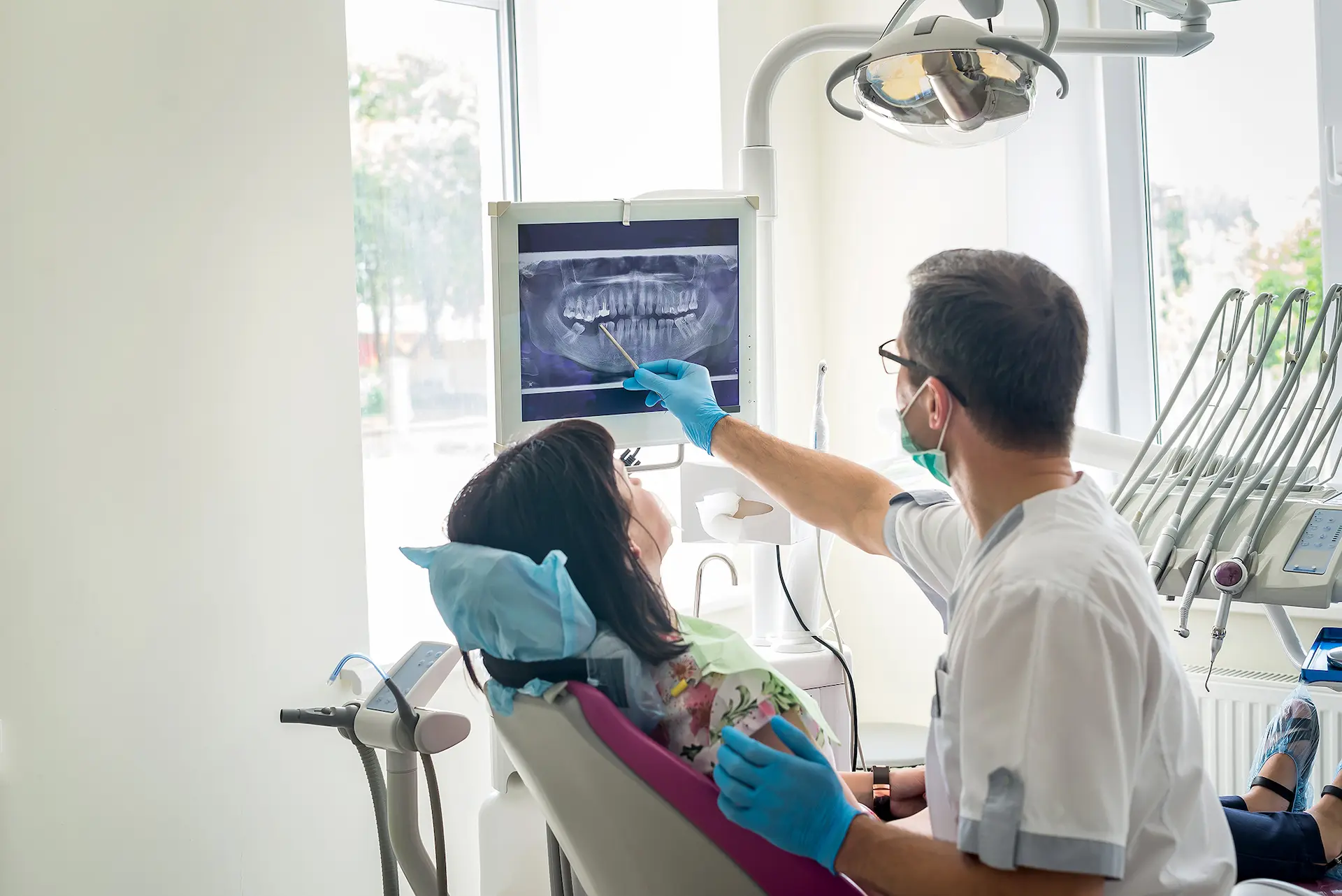
Sedation Dentistry for Cancer Survivors
For cancer survivors, dental anxiety is common and understandable. Many patients have been through years of medical procedures, multiple surgeries, and physical changes that make routine dentistry uncomfortable or genuinely difficult. For others, trismus, orofacial pain, or extensive treatment needs make sedation a practical necessity rather than a comfort preference.
We offer a range of sedation options appropriate for medically complex patients, with careful attention to safety in the cancer survivor population.

Why Sedation Matters for Survivors
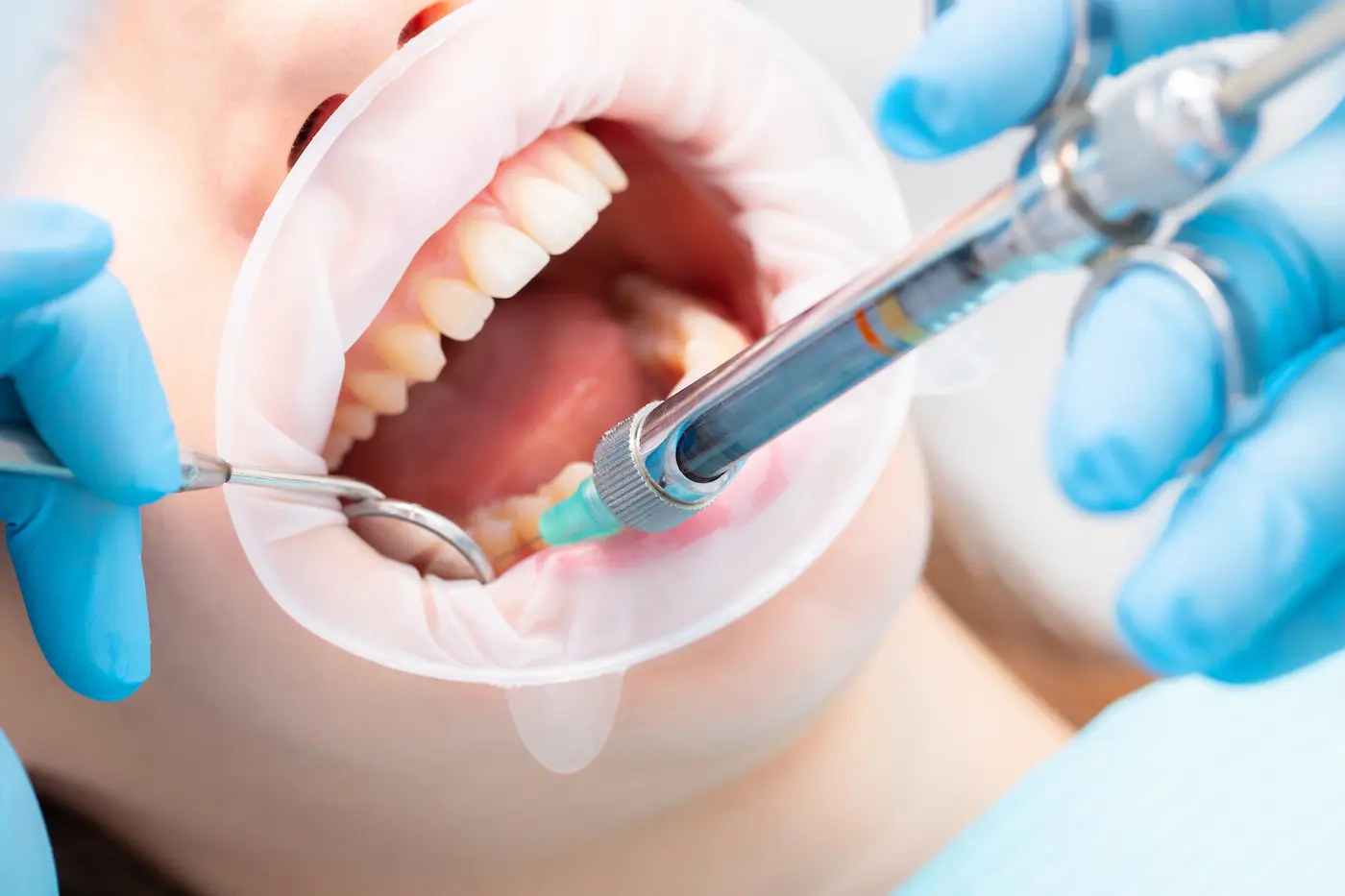
Long appointments
Reconstructive work, multiple implants, full-arch placement, full-mouth reconstruction, sometimes involves longer surgical sessions. Sedation makes these manageable.
Trismus and limited opening
Patients with restricted jaw opening tolerate dental work better when relaxed.
Anxiety from prior medical experiences
Many survivors carry genuine medical trauma. Approaching dentistry with the same intensity as cancer treatment is unfair and unnecessary.
Pain considerations
Survivors with chronic pain or radiation-affected tissues may benefit from sedation that reduces both anxiety and pain perception.
Multiple coordinated procedures
Sometimes consolidating multiple procedures into one sedation session is safer and more efficient than spreading them across many appointments.
Sedation Options We Offer
Nitrous oxide (“laughing gas”)
Inhaled mild sedation that takes effect quickly and wears off quickly. Patients remain fully conscious and can drive themselves home. Good for anxiety management during routine procedures.
Oral sedation
A pill taken before the appointment that produces moderate relaxation and some amnesia. Patients are conscious and responsive but more relaxed. Requires a driver.
IV moderate sedation
Medication delivered through an IV line, producing deeper relaxation while patients remain responsive. Effective for longer procedures and significant anxiety. Requires a driver and recovery time.
General anesthesia
Full unconsciousness, typically delivered by an anesthesiologist or CRNA. Used for the most extensive procedures or for patients who cannot tolerate any awareness during dental care. Performed with appropriate monitoring and recovery support.
Special Considerations for Cancer Survivors
Sedation in cancer survivors requires attention to several factors that may not apply to typical patients:
Current medications. Many survivors take medications that interact with sedatives. We review all current medications carefully.
Cardiopulmonary status. Some treatments, particularly certain chemotherapies and radiation, affect heart and lung function. Pre-sedation evaluation includes attention to these issues.
Blood counts. Survivors with current or recent chemotherapy may have altered platelets, white cells, or other parameters that affect sedation safety.
Bleeding risk. Patients on anticoagulants for cancer-related conditions need careful planning around any sedated procedure.
Coordination with oncology. For patients still receiving active treatment or in close surveillance, we communicate with the oncology team before sedation.

What to Expect
For sedated procedures, the typical experience involves:
Pre-sedation consultation. Review of medical history, current medications, and what to expect.
Pre-procedure instructions. Including fasting requirements, what to wear, who to bring as a driver.
Day-of preparation. IV placement (for IV sedation), monitoring setup.
Procedure. With continuous monitoring throughout.
Recovery. Time in our recovery area until alert and stable.
Discharge. With your driver, with written aftercare instructions.
Common Questions
Can I have sedation if I am still on chemotherapy?
Sometimes. Coordination with your oncology team is essential. Timing within the chemotherapy cycle matters, and blood counts need to be checked before any sedation.
Can I have sedation if I have trismus?
Yes, but airway management requires planning. We may modify our approach or coordinate with anesthesiology depending on the degree of limitation.
Is general anesthesia safe for cancer survivors?
For most survivors, yes, with appropriate evaluation. Specific risk depends on individual medical status. We discuss risks and benefits as part of consent.
Will I feel pain during the procedure?
Sedation reduces awareness and anxiety; local anesthesia handles pain. Together they make procedures comfortable.
Will my insurance cover sedation?
Coverage varies. Medical insurance sometimes covers sedation for medically necessary procedures, particularly for cancer-related dental work. We will verify coverage during planning.
Speak With a Dental Oncologist
Whether you are weeks into treatment or decades past it