Dental Oncologist
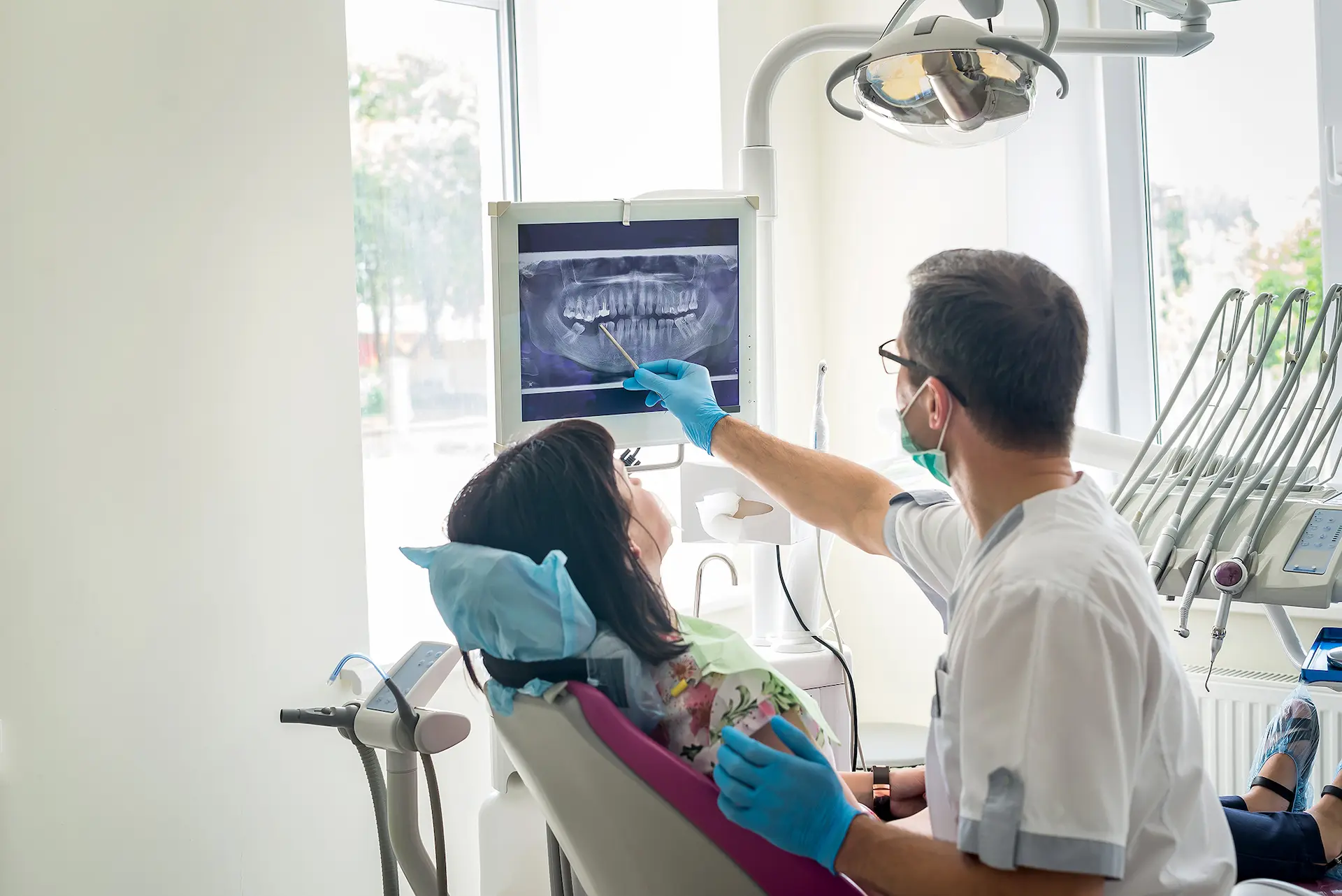
A dental oncologist is a dentist who has trained specifically in the oral health needs of cancer patients and survivors. The role sits at the intersection of dentistry and oncology, and it exists because cancer treatment creates dental risks and complications that general dentists are rarely trained to recognize, prevent, or treat.
In most U.S. cities, there is no dental oncologist available. We are one of a small number of practices nationally focused on this discipline.

What a Dental Oncologist Actually Does
The day-to-day clinical work of a dental oncologist includes:
Pre-treatment dental clearance. When a patient is about to begin chemotherapy, head and neck radiation, or stem cell or bone marrow transplant, getting the mouth into safe condition first dramatically reduces the risk of complications during and after treatment. This is one of the most consequential, and most under-utilized, services in cancer care.
Risk assessment for survivors. Patients with a history of head and neck radiation, long-term bisphosphonate therapy, or stem cell transplant face elevated risks for osteonecrosis, aggressive caries, and implant failure. A dental oncologist evaluates these risks and helps patients make informed decisions about future dental work.
Reconstruction and implants. Dental implants in cancer survivors, particularly those with prior radiation, require different planning than implants in healthy patients. Dental oncologists are typically the clinicians who can place these implants safely and successfully.
Diagnosis and management of cancer-related oral conditions. Including osteoradionecrosis (ORN), medication-related osteonecrosis (MRONJ/BRONJ), trismus, xerostomia, taste disorders, and orofacial pain.
Coordination with the oncology team. Communication with medical and radiation oncologists, surgical oncologists, hematologists, and primary care physicians is built into how we work.
How a Dental Oncologist Is Different From a General Dentist
A general dentist is trained in routine restorative, preventive, and cosmetic care. A dental oncologist is trained on top of that, with specific clinical experience in:
- The vascular, bone, and tissue effects of head and neck radiation, including for years after treatment ends
- The bleeding, infection, and healing risks associated with chemotherapy, immunotherapy, and stem cell transplant
- The mechanisms and management of osteonecrosis caused by bisphosphonates, denosumab, and anti-angiogenic medications
- The unique implant considerations in irradiated bone and post-surgical sites
- The nutritional, swallowing, and quality-of-life dimensions of oral late effects
Both general dentists and dental oncologists have an important role. The question is whether your specific case warrants the additional training.
When to Choose a Dental Oncologist Over a General Dentist
Consider a dental oncology consultation if:
- You have had any radiation to the head, neck, or jaw at any point in your life
- You are currently on or were recently on bisphosphonates, denosumab, Zometa, Reclast, Prolia, Xgeva, or similar drugs
- You have had a stem cell or bone marrow transplant
- You are about to begin chemotherapy or radiation
- You are a head and neck cancer survivor with extensive dental needs
- You have been told dental implants are not possible because of your cancer history
- You have unexplained exposed bone in the mouth, persistent oral pain, or a dental problem your general dentist has not been able to resolve
About Dr. Ryan Lee
Dr. Ryan Lee trained in dental oncology at NYU College of Dentistry, Memorial Sloan Kettering Cancer Center, and Northwestern University. He has lectured nationally on dental implant care for cancer patients and has been featured in publications including the American Dental Association, Cancer Today, Becker’s, and DrBicuspid. He founded Survivor Smiles to make this kind of care accessible to survivors who were finding little support elsewhere.
Common Questions
Is “dental oncologist” a recognized specialty?
It is a recognized clinical focus, though not currently an officially designated dental specialty by the American Dental Association in the way orthodontics or oral surgery are. Practitioners who use the title have advanced training and clinical experience in cancer-related dental care, often through fellowships or extensive work at comprehensive cancer centers.
Do I need a referral to see one?
No. You can self-refer. Most of our patients come through word of mouth from other survivors, online research, or referrals from their oncology team.
Do dental oncologists do routine cleanings?
We can. For survivors at high risk of caries or osteonecrosis, having a dental oncologist handle even routine maintenance can be valuable. For lower-risk survivors, a general dentist coordinating with us is often the right model.
How is the cost different?
Our fee structure is similar to other specialty dental practices, with the 40 percent cancer survivor discount applied. Many cancer-related dental services qualify for medical insurance benefits in addition to dental insurance.
Speak With a Dental Oncologist
Whether you are weeks into treatment or decades past it